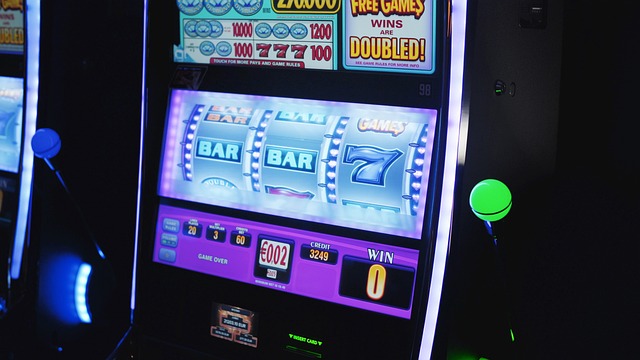

At first glance, gamification and gambling look different. One is about fun. The other is about risk. But look closer. They often use the same tricks, points, streaks, rewards, and surprise wins. So where’s the line? And when does a game stop being harmless and start becoming a bet? Before you get your answers to these questions, check out BetLabel for the latest odds on live sports betting.
What Is Gamification?
Gamification means adding game-like features to non-game things. Apps use it to boost engagement. Think of fitness trackers with badges. Or learning platforms with level-ups. It’s meant to make boring tasks feel exciting. And it works, because our brains love rewards.
Gambling Is a Different Beast
Gambling is risking money for the chance of more money. You bet, spin, scratch, or roll, and wait to see if you win. It’s legal in many places, but regulated. That’s because it can lead to addiction, debt, and real harm. Still, gambling and games often share the same tools.
The Tools Look the Same
Let’s break it down. Gamification uses:
- Progress bars
- Achievements
- Daily bonuses
- Mystery rewards
Gambling uses:
- Jackpot meters
- Bonuses
- Streaks
- Loot boxes
See the overlap? Both are built to keep you coming back.
When a Game Feels Like a Slot Machine
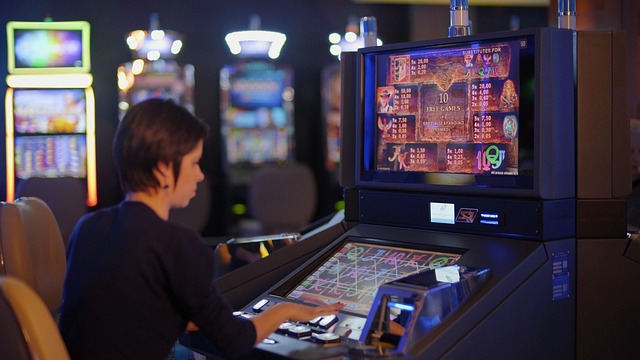
Some mobile games feel a lot like slot machines. You earn coins. You open chests. You spin for rewards. You don’t always pay money, but you might. You’re still chasing the next big win. At what point does it stop being a game and start being a gamble?
The Role of Real Money
Money is the key difference. If you’re spending real money and hoping to win more—or get something rare—you’re close to gambling. Many games offer in-game purchases that look random. Buy a mystery box, and you might get a super item… or nothing special. That’s not far from a scratch-off ticket.
Kids Are Getting Exposed Early
This is where things get tricky. Many gamified apps target young users. They teach them to chase streaks, log in daily, and open mystery rewards. It’s training. And later, gambling companies use the same methods. Some say we’re building habits that lead straight to betting.
Lawmakers Are Catching On
Some countries now regulate loot boxes like gambling. Belgium banned them in certain games. Other regions are pushing for age restrictions or transparency laws. Still, most games with gambling-style features remain legal and popular worldwide.
Big Brands Love the Blur
From online casinos to ride-sharing apps, companies use gamification to drive loyalty. Even sportsbooks now include levels, badges, and missions. You’re not just betting anymore—you’re “unlocking rewards.” It feels like a game, even when money is on the line.
Gamified Finance: A New Frontier

Even finance apps are using game features. Investing platforms show confetti after trades. Crypto apps give random coin rewards. These apps make money moves feel fun—sometimes too fun. Critics warn that gamified investing can feel like gambling, especially to younger users.
The Psychology Is the Same
Both gambling and gamification hit the same part of the brain. Dopamine. That little thrill when you win or level up? It’s addictive. And companies know exactly how to trigger it, again and again.
Is It Always Bad?
Not necessarily. Gamification can motivate. It can teach, encourage, and support progress. Even in casinos, games can add fun and structure. But when rewards are too random, or when money’s involved, it gets risky fast. Context matters. So does intent.
What Parents and Users Can Do
Watch for warning signs:
- Random rewards tied to money
- Pressure to play daily
- Losses disguised as “almost wins”
- Flashy graphics that mimic casinos
If it feels like a slot machine, it probably acts like one too.
Should There Be Limits?
Some experts say yes. Set age limits. Ban certain features from kid-friendly apps. Require clear labels: “This game contains gambling-like content.” Users should know what they’re engaging with before it affects their brain or wallet.
A New Kind of Addiction
Gamification can hook users without money involved. Just like gambling, it creates loops of reward and anticipation. Some people spend hours trying to maintain streaks or unlock new levels. It’s not always harmful, but it can be. And few people recognize the signs.